Three Common Types of Early Orthodontic Treatment
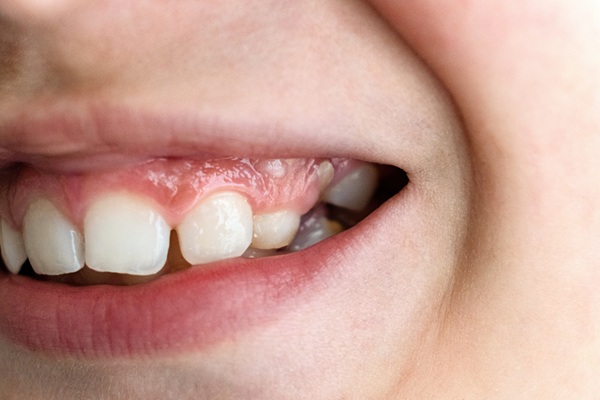
The primary goal of early orthodontic treatment is to prevent and fix bite misalignments. Several causes, including genetics, the premature loss of primary (baby) teeth, and harmful oral habits (like thumb sucking) may lead to such anomalies. Orthodontic abnormalities might be congenital or occur during early childhood. Straight teeth can reduce the incidence of dental decay and childhood periodontal disease, whereas crooked teeth lower self-esteem and make proper oral hygiene harder. This article covers the three major forms of early orthodontic treatment often recommended by pediatric dentists.
Types of early orthodontic treatment
Your pediatric dentist can use a variety of diagnostic techniques during biannual checkups to evaluate orthodontic anomalies and, if required, adopt early intervention measures. Before reaching eight years old, children should have received their first orthodontic assessment. Three early orthodontic treatments are used by orthodontists, depending on the patient's age.
Phase one treatment (two to six years old)
The goal of early orthodontic treatment is to control and guide the width of both dental arches. The major objective is to provide the permanent teeth ample room to emerge properly. Ideal candidates include children with biting difficulties, premature baby teeth loss, clicking or grinding jaws, and those who breathe via their mouth (instead of nose).
With the phase one treatment, the pediatric dentist works with parents and children to break undesirable oral habits such as thumb sucking and excessive pacifier usage. The dentist may also recommend one of many dental appliances to help encourage jaw growth, preserve the gap for incoming adult teeth (space maintainers), or keep teeth from moving out of their positions.
Phase two orthodontics (six to twelve years)
Phase two orthodontics aims to realign misaligned jaws, repair crossbites, and start the process of gradually correcting mispositioned permanent teeth. The soft and hard tissues of the oral cavity are particularly malleable at this stage of development. In some respects, this is an ideal moment to start treatment for severe malocclusion.
The dentist may recommend a dental appliance for the child at this point. Orthodontic options can be fixed or detachable – braces and aligners are the most popular options. The child will be able to talk, eat, and chew normally, irrespective of the device. Children who have fixed dental appliances, on the other hand, should take special care to clean their oral cavity every day to avoid discoloration, decay, and subsequent aesthetic issues when the treatment ends.
Phase three (adolescents)
Orthodontic therapy is most frequently associated with adolescents' teeth. Straightening permanent teeth and enhancing the cosmetic look of the smile is part of the main objective of adolescent treatment.
Typically, the dentist will place permanent or removable "braces" on the teeth during this time to progressively straighten them. The teenager may need to wear a retainer after completing orthodontic treatment to prevent the teeth from reverting to their original position.
In conclusion
Please contact the dental office to book an appointment if your child is between the ages of seven and eight and it looks like they might need early orthodontic treatment. The pediatric dentist will do an initial examination on your child and discuss the best strategies to help them improve their smile.
Request an appointment here: https://www.breapediatricdentists.com or call Brea Pediatric Dental Practice and Orthodontics at (714) 782-0215 for an appointment in our Brea office.
Check out what others are saying about our services on Yelp: Early Orthodontic Treatment in Brea, CA.
Related Posts
As a parent, you need to visit the orthodontist to know the necessary precautions to take and ensure that the child's jaw grows healthy and without issues. The soft tissue and muscles of the face play a role in proper jaw development. When the soft tissue or muscle is damaged, it leads to bad habits,…
A kids orthodontist supports oral development through early orthodontic treatment. Children can visit these dental providers earlier than many families anticipate, and having answers to key questions can make the process feel far less overwhelming. With modern technology, a kid-friendly atmosphere, and thoughtful timing, the experience becomes one of education and proactive care. Orthodontic treatment…
A pediatric dentist can restore comfort and function to a child’s tooth that is affected by dental trauma or decay. Often, baby root canals can preserve the natural tooth until it is ready to fall out on its own. A tooth extraction is, however, a better choice if the tooth is damaged beyond repair. A…
A dentist for kids can help children manage tooth sensitivity and enjoy eating and brushing again. Sensitivity means a sudden, sharp twinge when a tooth meets something cold, hot, sweet, or even a gust of air. In children, the causes often include thin enamel, early cavities, plaque-induced gum irritation, or minor enamel wear following orthodontic…