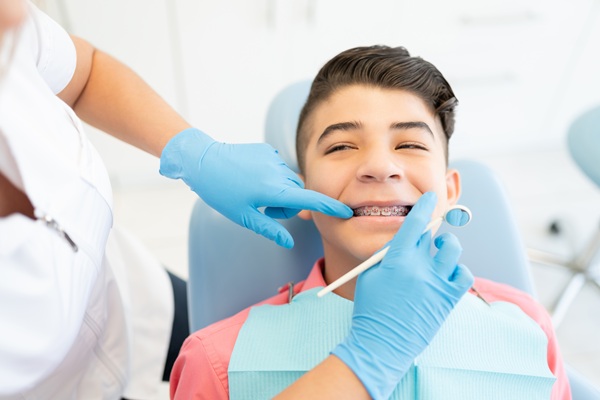
Visiting a kids orthodontist at the right time allows for early detection of potential alignment issues and helps determine if your child will need treatment in the near future. Prioritizing orthodontic treatment enhances the appearance of a child's smile and supports proper dental development and health. However, it is normal for children to feel hesitant about their first orthodontist's appointment. Knowing what to expect can make the process smoother and more comfortable for children and parents.
When to visit a kids orthodontist for the first time
Orthodontic care creates a strong foundation for a lifetime of healthy smiles. The American Association of Orthodontists (AAO) recommends that children have their first orthodontist appointment by age seven. At this age, the jaw is still developing, and permanent teeth are beginning to emerge. This allows the kids orthodontist to identify and treat potential alignment issues early, leading to better outcomes with less invasive treatments.
Signs your child may need orthodontic care
Certain indicators suggest that a child may benefit from seeing a kids orthodontist. Common signs include:
- Difficulty biting or chewing food
- Thumb-sucking or prolonged pacifier use beyond early childhood
- Crowded, misplaced, or protruding teeth
- Jaws that shift, make sounds, or appear misaligned
- Speech difficulties related to dental alignment
If any of these signs are present, an orthodontic evaluation can provide clarity and determine treatment.
How to prepare for an appointment with a kids orthodontist
Proper preparation makes for a smooth and stress-free visit to the kids orthodontist. Before the appointment, the orthodontic team recommends that parents talk about the visit with their children positively. Doing so can help reduce dental-related fears and reassure the child about the experience.
Parents can also prepare by making a list of any questions related to their children's teeth, bite, or oral habits. This ensures that the kids orthodontist can address the parent's concerns during the visit. For more accurate information, bring any previous dental records, including X-rays.
On the day of the appointment, have the child brush and floss their teeth so the kids orthodontist can get an unobstructed view of the mouth. Arrive at least 15 minutes early to allow time for necessary paperwork and create a relaxed environment for the child's comfort. These simple steps contribute to a more positive and effective orthodontic evaluation.
Next steps after the first appointment
During an initial evaluation, the kids orthodontist will determine whether orthodontic treatment is needed. If no immediate treatment is necessary, they may recommend regular checkups to monitor growth and alignment. However, if they advise treatment, the kids orthodontist can develop a plan with the child's needs and parents' preferences in mind. Common options include braces and aligners.
All orthodontic treatments involve regular follow-up appointments. For example, braces must be tightened every six to eight weeks to straighten the teeth effectively. The kids orthodontist can discuss how often follow-ups may be necessary for a particular treatment plan.
Schedule your child's first visit today
Early orthodontic assessments can make a big difference in a child's dental health and development. A proactive approach to orthodontic care leads to healthier smiles and improved confidence for years to come. Contact Brea Pediatric Dental Practice and Orthodontics today to schedule your child's first visit with a kids orthodontist.
Request an appointment here: https://www.breapediatricdentists.com or call Brea Pediatric Dental Practice and Orthodontics at (714) 782-0215 for an appointment in our Brea office.
Check out what others are saying about our dental services on Yelp: Orthodontist in Brea, CA.
Related Posts
Once teething starts, you should pay close attention to your child's teeth to avoid tooth decay, cavities, and other oral health problems. A dentist specializing in pediatric dentistry might advise against pacifiers and other items that might interfere with the healthy development of their oral tissues. Sucking on a pacifier is common among infants and…
The field and specialty of pediatric dentistry educate and train pedodontists to handle dental emergencies. In fact, they often see more pediatric dental emergencies than general dentists.What makes a pediatric dentist different? First and foremost, pediatric dentists are pediatricians. That means they have specialized training in child development and behavior. This allows them to better…
Pediatric dentistry focuses on providing treatments and services that help to keep your child's mouth healthy. Pediatric dentists offer common dental treatments, such as sealants, fluoride treatments, and space maintainers.Let us take a look at some of the more commonly used treatments in pediatric dentistry:Sealants are a type of preventative treatment that pediatric dentists often…
Pediatric dentistry can identify and treat plaque, which is a sticky substance. Plaque appears after every snack or meal. Brushing immediately can remove this thin layer of sticky substance. Doing so can prevent tartar formation. If you want to know more about how pediatric dentistry treats plaque, here are the details.The mouth invites all sorts…