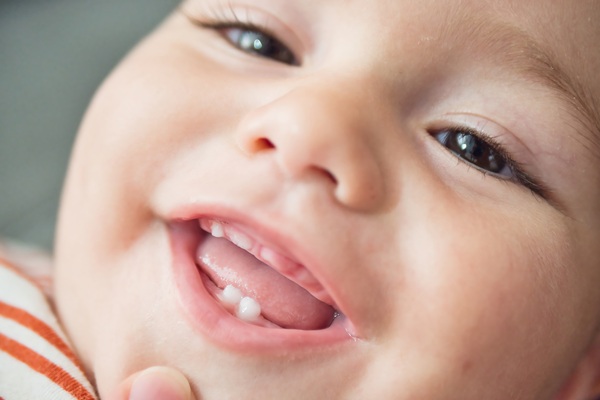
Infants can benefit from seeing a pediatric dentist when primary teeth begin to erupt. Primary teeth are placeholders for permanent teeth and should receive the same attention, including appropriate home care.
Why caring for primary teeth matters
Primary teeth are crucial to a baby's health and development. Therefore, dentists encourage parents to begin an infant's oral hygiene routine as soon as possible to:
- Promote jaw development
- Facilitate chewing
- Facilitate speaking
- Prevent decay
- Promote gum health
A healthy mouth can help a child reach critical milestones and avoid unnecessary discomfort.
Tips for how to care for primary teeth
Parents who begin an oral care regimen during a child's infancy inspire a lifetime of good habits. Consulting with a pediatric dentist for oral hygiene tips suitable for babies can help parents apply the most effective techniques.
Start with the gums
An oral hygiene routine can begin before a baby's first teeth erupt because the mouth can harbor bacteria that can compromise new teeth. Still, parents can minimize the risk for potential damage by cleaning the gums using a soft, damp cloth or a toothbrush designed for infants.
Introduce a small, soft-bristled brush
Brushing can begin when a baby's teeth start to come through the gums. Parents can brush small teeth using water or a tiny bit of child-friendly toothpaste about the size of a rice grain. Although parents can wipe away excess toothpaste that a baby cannot spit out, no harm will come from swallowing such a small amount. In any case, maintaining a playful, stress-free attitude will making brushing less intimidating for infants.
Prevent tooth decay
Tooth decay can happen at any age, and it is common among babies who frequently drink sugary beverages, including fruit juices, from bottles. Pediatric dentists recommend that infants not drink sweet drinks before falling asleep when reduced saliva flow can cause sugars to settle on teeth and promote decay. In addition, a bottle or pacifier in a sleeping infant's mouth can promote bacteria on the gums and teeth.
Feed healthy foods
Dentists recommend that parents introduce healthy eating habits when infants can take solid foods at around six months old. For example, avoiding starches, sweets, and sticky foods that cling to the teeth can minimize decay and help children develop a lifelong taste for healthy choices.
Avoid sharing spoons
Infants' mouths do not have as much exposure to bacteria-promoting foods and other substances as adults' mouths. Dentists advise parents to avoid sharing spoons with infants at mealtimes to prevent exposing baby teeth to decay-promoting bacteria.
Schedule an appointment with a pediatric dentist
An infant's first dental appointment can occur within six months of the first tooth's appearance. At this time, a dentist may perform a gentle cleaning, check jaw structure, gums, and bite, and educate parents about the importance of caring for primary teeth and fluoride.
Conclusion
It is never too soon to begin promoting oral hygiene. Parents unfamiliar with caring for infants' primary teeth can consult with a pediatric dentist for helpful oral hygiene tips.
Request an appointment here: https://www.breapediatricdentists.com or call Brea Pediatric Dental Practice and Orthodontics at (714) 782-0215 for an appointment in our Brea office.
Check out what others are saying about our dental services on Yelp: Pediatric Dentist in Brea, CA.
Related Posts
Children can expect to receive comprehensive dental care at pediatric dentistry clinics, which includes everything from preventive care to necessary treatments and procedures. The focus is always on providing the best possible care for each child in a way that is age-appropriate and comfortable.The dentist and hygienist will see the child during a typical appointment.…
Pediatric dentistry treatments can stop and prevent tooth decay. This dental problem can influence a child’s emotional, physical, and mental well-being. Poor oral health results in more than tooth decay. This situation could lead to harmful diseases and other conditions. If you want to know tooth decay’s effects on children, here are the details from…
In their early years, your youngster is still a novice in brushing and flossing their teeth, meaning that cleaning your child's teeth in that period is your responsibility. Cleaning the teeth is a skill that the child should learn. Your role is to educate your youngster on how to keep their mouths clean and healthy.…
In pediatric dentistry, dentists assess how certain food types affect oral health and make recommendations accordingly. Common childhood snacks can harm teeth by breaking down enamel and contributing to periodontal diseases, such as sugar-filled yogurt packs, cookies, and citrus fruits.This review takes a closer look at snacks parents can provide for their children that are…