Oral Hygiene Tips From a Pediatric Dentist for Your Baby’s First Teeth
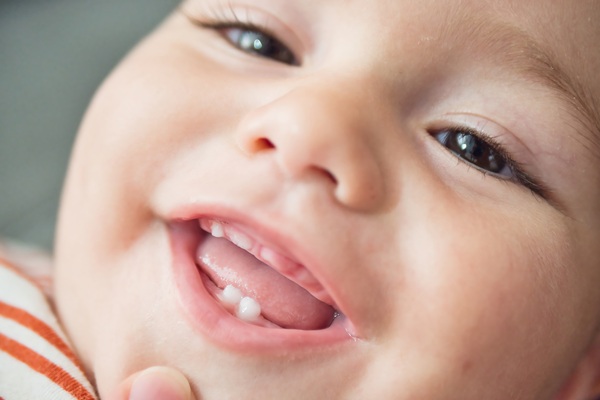
Infants can benefit from seeing a pediatric dentist when primary teeth begin to erupt. Primary teeth are placeholders for permanent teeth and should receive the same attention, including appropriate home care.
Why caring for primary teeth matters
Primary teeth are crucial to a baby's health and development. Therefore, dentists encourage parents to begin an infant's oral hygiene routine as soon as possible to:
- Promote jaw development
- Facilitate chewing
- Facilitate speaking
- Prevent decay
- Promote gum health
A healthy mouth can help a child reach critical milestones and avoid unnecessary discomfort.
Tips for how to care for primary teeth
Parents who begin an oral care regimen during a child's infancy inspire a lifetime of good habits. Consulting with a pediatric dentist for oral hygiene tips suitable for babies can help parents apply the most effective techniques.
Start with the gums
An oral hygiene routine can begin before a baby's first teeth erupt because the mouth can harbor bacteria that can compromise new teeth. Still, parents can minimize the risk for potential damage by cleaning the gums using a soft, damp cloth or a toothbrush designed for infants.
Introduce a small, soft-bristled brush
Brushing can begin when a baby's teeth start to come through the gums. Parents can brush small teeth using water or a tiny bit of child-friendly toothpaste about the size of a rice grain. Although parents can wipe away excess toothpaste that a baby cannot spit out, no harm will come from swallowing such a small amount. In any case, maintaining a playful, stress-free attitude will making brushing less intimidating for infants.
Prevent tooth decay
Tooth decay can happen at any age, and it is common among babies who frequently drink sugary beverages, including fruit juices, from bottles. Pediatric dentists recommend that infants not drink sweet drinks before falling asleep when reduced saliva flow can cause sugars to settle on teeth and promote decay. In addition, a bottle or pacifier in a sleeping infant's mouth can promote bacteria on the gums and teeth.
Feed healthy foods
Dentists recommend that parents introduce healthy eating habits when infants can take solid foods at around six months old. For example, avoiding starches, sweets, and sticky foods that cling to the teeth can minimize decay and help children develop a lifelong taste for healthy choices.
Avoid sharing spoons
Infants' mouths do not have as much exposure to bacteria-promoting foods and other substances as adults' mouths. Dentists advise parents to avoid sharing spoons with infants at mealtimes to prevent exposing baby teeth to decay-promoting bacteria.
Schedule an appointment with a pediatric dentist
An infant's first dental appointment can occur within six months of the first tooth's appearance. At this time, a dentist may perform a gentle cleaning, check jaw structure, gums, and bite, and educate parents about the importance of caring for primary teeth and fluoride.
Conclusion
It is never too soon to begin promoting oral hygiene. Parents unfamiliar with caring for infants' primary teeth can consult with a pediatric dentist for helpful oral hygiene tips.
Request an appointment here: https://www.breapediatricdentists.com or call Brea Pediatric Dental Practice and Orthodontics at (714) 782-0215 for an appointment in our Brea office.
Check out what others are saying about our dental services on Yelp: Pediatric Dentist in Brea, CA.
Related Posts
Early orthodontic treatment is not as common as traditional orthodontic treatment, like braces for adult teeth usually worn during the adolescent years. However, early orthodontic treatment is often vital for addressing early oral cavity issues. Whether teeth are protruding excessively or baby teeth are lost before the age of five, early orthodontic treatment can appropriately…
Pediatric orthodontics is a specialized branch of pediatric dental care focused on the growth, development, and alignment of children's teeth and jaws. Pediatric orthodontics addresses dental irregularities when they first appear, promoting healthier oral structures and preventing more complex problems in adolescence and adulthood. Understanding the basics of pediatric orthodontics helps parents make informed decisions…
If you are considering teeth straightening, then you probably know about the physical benefits. Straightening can make it easier to clean your teeth and prevent cavities. But it can have further-reaching benefits as well. The American Association of Orthodontics states that more than four million Americans have braces. And 25% of those people are adults.Studies…
A key goal of pediatric dentistry is establishing healthy oral hygiene habits early to promote long-term oral health. With guidance from a pediatric dentist, parents can help their children understand how to maintain clean and healthy teeth at home. This early exposure can make healthy habits — like brushing twice daily, flossing daily, and eating…