Four Tips from a Pediatric Dentist on Cleaning Baby Teeth
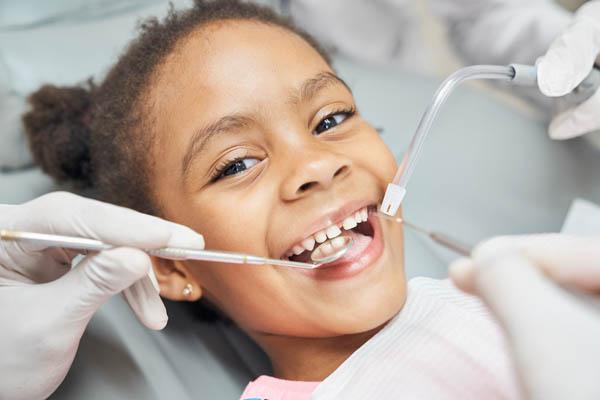
Pediatric dentists treat children who still have their baby teeth. Part of ensuring children can prevent oral health concerns at a young age includes teaching patients how to help their children brush and floss daily. This review discusses how parents can care for their child’s baby teeth between visits with their pediatric dentist.
Pediatric dentistry tips: how to clean baby teeth
Four key tips to remember when helping your child clean their baby teeth are to use a child-sized toothbrush, avoid using too much toothpaste, do not allow your child to brush on their own too soon, and ensure a consistent oral care routine is established. These tips, along with regular visits to the pediatric dentist, can significantly reduce the risk of cavities and other oral health concerns.
Use a child-sized toothbrush
Using an adult-sized toothbrush can make brushing your child’s teeth far more challenging. Instead, ask your pediatric dentist if they can provide a child-sized toothbrush to use or find a dentist-recommended child toothbrush. This can ensure that you can help your child brush gently yet thoroughly and reach all areas of the mouth effortlessly. It may also be less intimidating for your child to use an appropriately sized toothbrush.
Do not use too much toothpaste
A common mistake parents make is using too much toothpaste when brushing their child’s teeth at a young age. Up until the age of three, children only need toothpaste the size of a grain of rice, according to the American Dental Association. Children between the ages of three and six only need approximately a pea-sized amount of toothpaste. Most pediatric dentists recommend using fluoride toothpaste to help strengthen the tooth enamel.
Do not allow your child to brush alone too soon
There is no specific age that is typically recommended for children to begin brushing on their own. Instead, it should be based on comfort level. However, it is important not to hand the reins over too soon. While helping your child brush, be sure to educate them on how to do so properly. Once they begin doing it on their own, monitor them and correct any mistakes they make until they get the hang of it and develop healthy habits.
Remain consistent with the brushing routine
Consistency is the key to good oral hygiene. Brushing infrequently can lead to a build-up of tartar on teeth and damage enamel, which can eventually lead to cavities on baby teeth. Be sure to help your child brush several times each day for approximately two minutes during each cleaning routine.
Pediatric dentistry visits are an important part of oral care
While implementing a proper oral care routine for your child is a great way to reduce the risk of developing issues, it does not replace the need for regular check-up visits and cleanings from a pediatric dentist. If your child is due for their next check-up, then call our kid-friendly pediatric dentistry team to set up a visit.
Request an appointment here: https://www.breapediatricdentists.com/ or call Brea Pediatric Dental Practice and Orthodontics at (714) 782-0215 for an appointment in our Brea office.
Check out what others are saying about our dental services on Yelp: Pediatric Dentist in Brea, CA.
Related Posts
A kids orthodontist supports oral development through early orthodontic treatment. Children can visit these dental providers earlier than many families anticipate, and having answers to key questions can make the process feel far less overwhelming. With modern technology, a kid-friendly atmosphere, and thoughtful timing, the experience becomes one of education and proactive care. Orthodontic treatment…
A dentist for kids can help children manage tooth sensitivity and enjoy eating and brushing again. Sensitivity means a sudden, sharp twinge when a tooth meets something cold, hot, sweet, or even a gust of air. In children, the causes often include thin enamel, early cavities, plaque-induced gum irritation, or minor enamel wear following orthodontic…
Children can expect to receive comprehensive dental care at pediatric dentistry clinics, which includes everything from preventive care to necessary treatments and procedures. The focus is always on providing the best possible care for each child in a way that is age-appropriate and comfortable.The dentist and hygienist will see the child during a typical appointment.…
Pediatric dentistry treatments can stop and prevent tooth decay. This dental problem can influence a child’s emotional, physical, and mental well-being. Poor oral health results in more than tooth decay. This situation could lead to harmful diseases and other conditions. If you want to know tooth decay’s effects on children, here are the details from…