Can Clear Aligners Help With an Underbite?
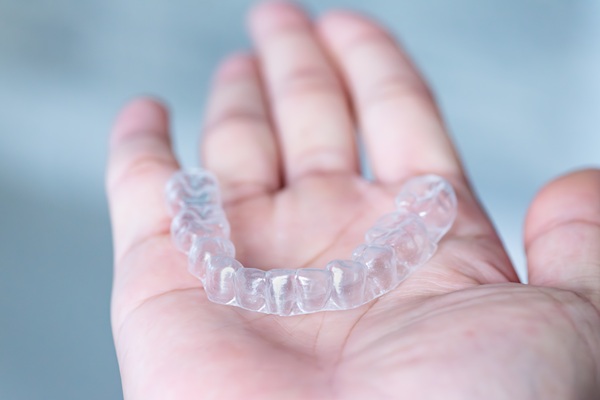
Clear aligners are a popular orthodontic solution for a wide range of bite issues, including underbites. An underbite occurs when the lower teeth extend beyond the upper teeth, creating functional and cosmetic concerns. The following blog explores how clear aligners can correct underbites and whether they are appropriate for your specific orthodontic needs.
Understanding underbites
An underbite occurs when the lower jaw protrudes forward in relation to the upper jaw. This misalignment can range from mild to severe and may result from genetics, childhood habits, or patterns of jaw development. Underbites are also known as a class III malocclusion. Common complications of underbites include:
- Discomfort or pain when biting and chewing food
- Trouble opening or closing the mouth completely
- Uneven tooth wear on enamel
- Jaw pain (i.e., TMJ disorders)
- Biting inside the mouth
- Bad breath
Fortunately, early evaluation can help determine the most effective treatment plan for the patient's unique needs.
How clear aligners work
Clear aligners use a series of custom-made trays designed to gradually shift teeth into more favorable positions. Each aligner applies gentle pressure, encouraging steady movement over time. The clear design offers a discreet and comfortable orthodontic treatment. The removable feature also provides flexibility during eating and oral hygiene routines.
However, the effectiveness of clear aligners depends on the complexity of the bite issue. For example, mild to moderate dental misalignments typically respond to clear aligner therapy. Meanwhile, more complex malocclusions may require additional orthodontic interventions, such as braces or jaw surgery.
Can clear aligners correct an underbite?
Clear aligners can help correct certain types of underbites, particularly those caused primarily by dental misalignment rather than skeletal imbalance. If the underbite results from the position of the teeth rather than the size or position of the jawbones, aligners may offer meaningful improvement. For mild underbites, aligners can reposition the upper and lower teeth to create a more harmonious bite relationship. In moderate cases, aligner therapy may be combined with attachments, elastics, or other orthodontic tools to enhance force application and achieve better results.
That said, severe underbites caused by significant jaw discrepancies may fall outside the capability of clear aligner treatment alone. In these cases, the orthodontist may recommend a combination of braces and jaw surgery to correct the underlying skeletal structure. A comprehensive examination can determine whether aligners offer a realistic resolution or form part of a more comprehensive treatment plan.
Correct a mild to moderate underbite with clear aligners
Clear aligners can assist in correcting underbites in many cases, particularly when the condition stems from dental issues rather than skeletal factors. While aligners offer an effective and discreet treatment option for mild to moderate underbite cases, severe jaw-related misalignments may require additional interventions. A professional orthodontic assessment is essential for determining the most appropriate path toward improved bite function and long-term oral health. Call our Brea to learn more about clear aligners or to schedule a consultation.
Request an appointment here: https://www.breapediatricdentists.com or call Brea Pediatric Dental Practice and Orthodontics at (714) 782-0215 for an appointment in our Brea office.
Check out what others are saying about our dental services on Yelp: Clear Aligners in Brea, CA.
Related Posts
Your child's teeth will develop and change as they age. Likewise, the kind of dental care they need will change over time. The adult teeth may not develop properly without proper oral care, leading to gum disease and decay problems. Talking to a pediatric dentistry professional and asking the appropriate questions may help better care…
Once your child’s first few teeth come through (usually before age one), it is time to schedule a pediatric dentistry visit. They can help ensure the teething process goes smoothly and address oral developmental concerns promptly. This review discusses several signs that indicate your baby has started the teething stage.Teething can begin as early as…
When you visit the pediatric dentistry office, the dentist will typically suggest using a soft-bristled toothbrush for children's growing teeth, particularly those under two. A soft-bristled toothbrush is preferable and is gentle when removing plaque and debris, compared to a hard-bristled one, which may irritate gums.Toothbrushes are all about comfiness. When selecting a brush, parents…
Dental exams at a pediatric dentistry office should begin as soon as possible to ensure that their teeth and gums remain healthy for the rest of their life. Cavities and tooth decay, which may cause discomfort, difficulty focusing, and other medical challenges, can be prevented with regular exams. In addition, healthy teeth allow children to…