Common Questions Answered By a Kids Orthodontist
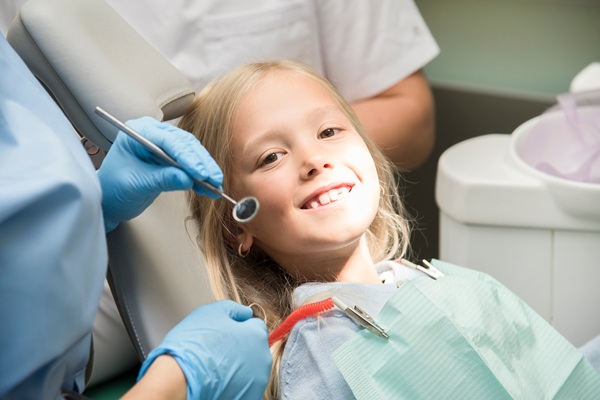
A kids orthodontist supports oral development through early orthodontic treatment. Children can visit these dental providers earlier than many families anticipate, and having answers to key questions can make the process feel far less overwhelming. With modern technology, a kid-friendly atmosphere, and thoughtful timing, the experience becomes one of education and proactive care. Orthodontic treatment can then become a clear, confident journey for both the patient and their parents.
When should a child see a kids orthodontist?
The American Association of Orthodontists (AAO) recommends that children visit an orthodontist by age seven. At this age, most children will have a blend of baby (primary) and adult (permanent) teeth. This allows a kids orthodontist to detect early signs of crowding, spacing, crossbites, or habits that may influence jaw development.
Early evaluations do not mean the patient will get immediate treatment; rather, they establish a helpful timeline for future care. Monitoring smile growth over time can simplify teeth straightening and reduce the need for complex treatment down the line.
What happens at the first visit?
The first visit to a kids orthodontist typically includes photographs, a digital scan, and a focused clinical exam to review tooth positions and jaw relationships. Dental X-rays may be necessary to examine root structure, developing teeth, and bone health. The orthodontist will explain the findings during the same appointment, outlining whether early treatment is necessary or if regular observation is appropriate. Families can expect to leave with a clear understanding of next steps, expected timing, and the goals of any proposed intervention.
Are dental X-rays safe for children?
Safety is a top priority, especially for younger patients. Many orthodontic offices use digital imaging, which significantly reduces radiation exposure compared to older film-based systems. Protective equipment, such as lead aprons and thyroid shields, adds further protection. A kids orthodontist will only request X-rays when they are essential for diagnosis or treatment planning, so parents can rest assured that every image serves a meaningful purpose.
What can I expect from early orthodontic treatment?
Early, or phase one, treatment focuses on specific developmental issues that an orthodontist can help correct during the child's growth. Examples include narrow arches, crossbites, or significant gaps in the smile. The goal is to address key concerns before all permanent teeth are in place. Later, phase two treatment may be necessary to fine-tune alignment and bite once growth is more complete. Rather than being redundant, early treatment can simplify future care, shorten the second phase, and create a more balanced foundation for long-term success.
What happens after treatment ends?
Once early orthodontic treatment is complete, the focus switches to maintaining those results. For instance, retainers help maintain the new tooth positions while the surrounding bone and tissues adapt. Options include clear removable retainers, fixed retainers bonded behind the teeth, or a combination of both. Initially, retainers are worn almost all day and night, with wear tapering over time. A kids orthodontist will customize this post-treatment phase to the child’s specific needs and goals.
Schedule an appointment with a kids orthodontist
The mission of a kids' orthodontist is to support healthy oral development. Sometimes, this involves early orthodontic treatment. If this is the case for your child, you can rest assured that each step supports their long-term comfort, bite function, and smile appearance. Want to learn more? Contact our Brea office for an appointment.
Request an appointment here: https://www.breapediatricdentists.com or call Brea Pediatric Dental Practice and Orthodontics at (714) 782-0215 for an appointment in our Brea office.
Check out what others are saying about our dental services on Yelp: Kids Orthodontist in Brea, CA.
Related Posts
Invisalign® for teens is a discreet treatment that corrects mild and moderate orthodontic issues. Clear braces are an aesthetic upgrade to the metallic look of traditional braces. This quality is the same reason that adults choose Invisalign to straighten their teeth. Like image-conscious teens, adults who would otherwise forego orthodontic treatment can improve their smile…
As a parent, you need to visit the orthodontist to know the necessary precautions to take and ensure that the child's jaw grows healthy and without issues. The soft tissue and muscles of the face play a role in proper jaw development. When the soft tissue or muscle is damaged, it leads to bad habits,…
The primary goal of early orthodontic treatment is to prevent and fix bite misalignments. Several causes, including genetics, the premature loss of primary (baby) teeth, and harmful oral habits (like thumb sucking) may lead to such anomalies. Orthodontic abnormalities might be congenital or occur during early childhood. Straight teeth can reduce the incidence of dental…
A pediatric dentist can restore comfort and function to a child’s tooth that is affected by dental trauma or decay. Often, baby root canals can preserve the natural tooth until it is ready to fall out on its own. A tooth extraction is, however, a better choice if the tooth is damaged beyond repair. A…