Baby Root Canals vs. Tooth Extraction
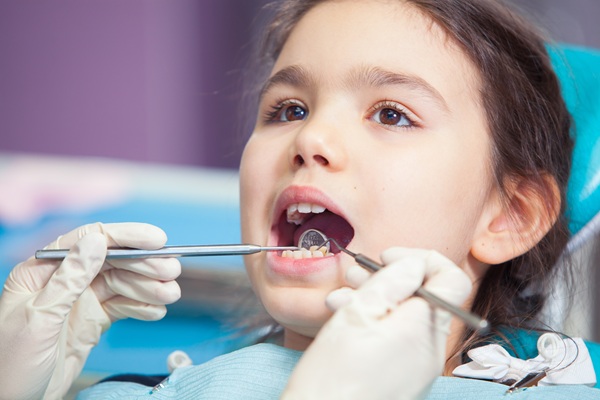
A pediatric dentist can restore comfort and function to a child’s tooth that is affected by dental trauma or decay. Often, baby root canals can preserve the natural tooth until it is ready to fall out on its own. A tooth extraction is, however, a better choice if the tooth is damaged beyond repair. A dentist can evaluate both short-term symptoms and long-term dental health to determine whether a baby root canal or tooth extraction could be best for your child’s smile health.
What are baby root canals?
Baby root canals save baby (primary) teeth affected by deep decay or injury. The goal is to remove the infected or inflamed pulp tissue inside the tooth, cleaning the chamber, and sealing it to prevent further damage. The pediatric dentist may then place a dental crown over the treated tooth to restore its strength and shape.
Unlike adult root canals, which often involve treating multiple canals in permanent teeth, baby root canals are generally quicker and less complex. However, the procedure still requires specialized care and precision, which is why a pediatric dentist is typically the one to perform it. Preserving primary teeth helps maintain alignment for developing permanent teeth, supports chewing and speech, and reduces the risk of infection spreading to surrounding areas.
Signs your child may benefit from a baby root canal
Primary teeth showing signs of pulp damage may require evaluation for a baby root canal. Common signs that indicate the need for baby root canals include:
- Persistent toothache or pain during chewing
- Swelling or redness near the affected tooth
- Lingering tooth sensitivity to hot or cold
- A visible cavity that reaches deep into the tooth
- Darkening of the tooth
The success rate of baby root canals is high when performed under the care of a pediatric dentist. With proper diagnosis and treatment, most children experience relief from pain and return to normal activities shortly after the procedure. The dentist will take care to assess the extent of the damage and whether the pulp is still healthy enough to warrant this restorative procedure.
Understanding tooth extractions
Tooth extraction is a last resort in any branch of dentistry, including pediatric dentistry. It is recommended when a tooth is too damaged to be saved, either due to advanced dental decay, trauma, or infection that has spread beyond the pulp. Extractions are also sometimes necessary when a primary tooth is preventing the proper eruption of a permanent tooth, or when orthodontic spacing is necessary.
While extraction may seem like a quick solution, it can come with consequences if not properly managed. For example, losing a primary tooth prematurely leaves the surrounding teeth free to shift out of place. This can lead to crooked teeth, bite issues, and speech difficulties. A dentist can minimize these effects with space maintainers or flipper teeth, both of which preserve proper spacing in the arch until the permanent tooth is ready to come in.
Explore your child’s options in an appointment
Whether the concern involves pain, decay, or dental trauma, a pediatric dentist can provide a thorough evaluation and determine whether a baby root canal or tooth extraction is the most appropriate treatment. Every child’s dental needs are unique, and treatment decisions are guided by both immediate symptoms and long-term oral development. Learn more in an appointment with our Brea team.
Request an appointment here: https://www.breapediatricdentists.com or call Brea Pediatric Dental Practice and Orthodontics at (714) 782-0215 for an appointment in our Brea office.
Check out what others are saying about our dental services on Yelp: Baby Root Canals in Brea, CA.
Related Posts
As a parent, you need to visit the orthodontist to know the necessary precautions to take and ensure that the child's jaw grows healthy and without issues. The soft tissue and muscles of the face play a role in proper jaw development. When the soft tissue or muscle is damaged, it leads to bad habits,…
The primary goal of early orthodontic treatment is to prevent and fix bite misalignments. Several causes, including genetics, the premature loss of primary (baby) teeth, and harmful oral habits (like thumb sucking) may lead to such anomalies. Orthodontic abnormalities might be congenital or occur during early childhood. Straight teeth can reduce the incidence of dental…
A kids orthodontist supports oral development through early orthodontic treatment. Children can visit these dental providers earlier than many families anticipate, and having answers to key questions can make the process feel far less overwhelming. With modern technology, a kid-friendly atmosphere, and thoughtful timing, the experience becomes one of education and proactive care. Orthodontic treatment…
A dentist for kids can help children manage tooth sensitivity and enjoy eating and brushing again. Sensitivity means a sudden, sharp twinge when a tooth meets something cold, hot, sweet, or even a gust of air. In children, the causes often include thin enamel, early cavities, plaque-induced gum irritation, or minor enamel wear following orthodontic…
layout=”horizontal”]